




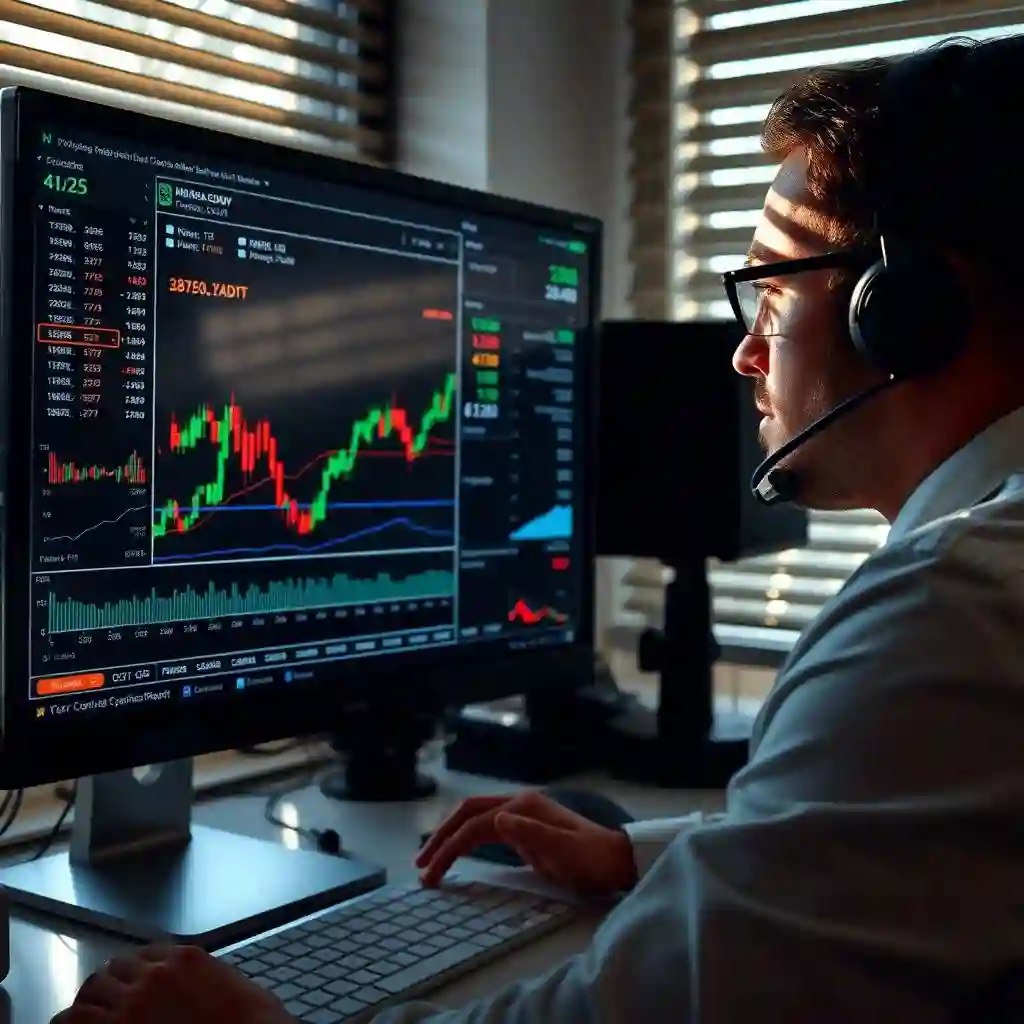
Trading Minor and Exotic Currency Pairs can be a lucrative opportunity for experienced traders looking to diversify their portfolios beyond major currency pairs such as EUR/USD or USD/JPY. These lesser-known currencies offer unique market dynamics that can present interesting trading opportunities, but they also come with increased risks due to lower liquidity and higher volatility.
- Introduction to Trading Minor and Exotic Currency Pairs
- Understanding the Difference Between Major, Minor, and Exotic Currencies
- Benefits of Trading Minor and Exotic Currency Pairs
- Challenges in Trading Minor and Exotic Currency Pairs
- How to Start Trading Minor and Exotic Currencies
- Technical Analysis for Minor and Exotic Currencies
- Fundamental Analysis for Minor and Exotic Currencies
- Risk Management in Trading Minor and Exotic Currency Pairs
- Conclusion: Embracing the Challenges of Trading Minor and Exotic Currency Pairs
Introduction to Trading Minor and Exotic Currency Pairs
Trading minor and exotic currency pairs is an advanced strategy that requires a deep understanding of global economic trends, political events, and market sentiment. These currencies are typically less liquid than major ones, meaning they may experience wider spreads and more volatility. However, for astute traders who can navigate these challenges effectively, the rewards can be substantial.
Understanding the Difference Between Major, Minor, and Exotic Currencies
Major currencies like USD, EUR, JPY, GBP, CAD, AUD, and CHF form the backbone of the forex market. They are highly liquid and trade in large volumes. Minor currency pairs involve one major currency against another minor or emerging market currency, such as EUR/GBP or USD/CAD.
Exotic currencies, on the other hand, include less common options like SEK (Swedish Krona), MXN (Mexican Peso), ZAR (South African Rand), and more. These pairs often involve a major currency paired with an exotic one, such as EUR/SEK or USD/MXN.
Benefits of Trading Minor and Exotic Currency Pairs
Diversification: By trading minor and exotic currencies, traders can diversify their portfolios beyond the crowded major currency markets. This diversification can help spread risk and potentially increase returns.
Potential for High Returns: Due to lower liquidity, these pairs often have higher volatility levels. Traders who can predict market movements accurately may reap significant profits from this increased price fluctuation.
Leverage Opportunities: Many brokers offer high leverage on minor and exotic currency pairs, allowing traders to control large positions with relatively small account balances.
Challenges in Trading Minor and Exotic Currency Pairs
The primary challenge lies in the low liquidity of these markets. This can result in wider spreads and slippage during times of market stress. Additionally, information asymmetry is a significant issue; data on minor and exotic economies may be less readily available than for major currencies.
Wider Spreads
Due to lower trading volume, the bid-offer spread in minor and exotic currency pairs tends to be wider compared to major ones. This means higher transaction costs for traders.
How to Start Trading Minor and Exotic Currencies
To begin trading these currencies successfully, it’s crucial to start with a solid understanding of the fundamentals. Here are some steps to get you started:
- Research: Study economic indicators specific to each currency pair, including interest rates, inflation data, and central bank policies.
- Broker Selection: Choose a reputable broker that offers competitive spreads on minor and exotic pairs. Make sure the broker also provides reliable trading platforms and customer support.
- Leverage Management: While high leverage can amplify gains, it also increases risks significantly. Start with conservative leverage levels until you gain more experience.
Technical Analysis for Minor and Exotic Currencies
Technical analysis remains crucial in trading minor and exotic currencies due to their unique market characteristics:
- Trend Identification: Use moving averages, trend lines, and breakout patterns to identify strong trends.
- Volumes and Patterns: Analyze candlestick formations like Dojis or Hammers which can indicate potential reversals or continuations of the current trend.
Fundamental Analysis for Minor and Exotic Currencies
Fundamentals play a critical role in understanding what drives the prices of minor and exotic currency pairs:
- Economic Indicators: Focus on economic reports that affect supply and demand, such as GDP growth, employment figures, and trade balances.
- Political Events: Keep an eye on geopolitical risks like elections or government policy changes which can impact currency values.
Risk Management in Trading Minor and Exotic Currency Pairs
Risk management is crucial when trading less liquid pairs. Here are some strategies to consider:
- Stop Loss Orders: Always set stop-loss orders to limit potential losses.
- Position Sizing: Limit the size of each position to a small percentage of your total account balance.
Conclusion: Embracing the Challenges of Trading Minor and Exotic Currency Pairs
Trading minor and exotic currency pairs requires careful consideration and an in-depth understanding of market dynamics. While they present unique opportunities for high returns, traders must be aware of heightened risks associated with these less-liquid markets. Proper research, disciplined trading practices, and continuous learning are key to navigating this complex yet rewarding segment of the forex market.