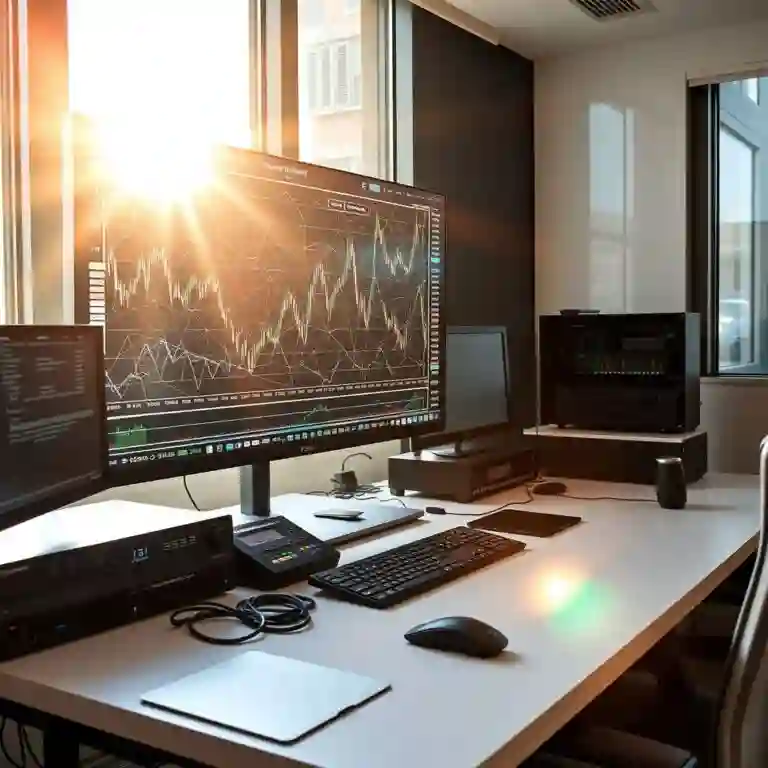





Trading in today’s fast-paced world demands a delicate balance between financial goals and everyday life commitments. Achieving this equilibrium can be challenging, but with the right strategies, it is possible to integrate trading into your daily routine without compromising on personal or professional responsibilities. This article explores how traders can manage their time effectively while maintaining a healthy work-life integration, focusing particularly on the nuances of balancing trading with everyday life.
- The Importance of Balancing Trading with Everyday Life
- Understanding Your Personal Limits and Goals
- Creating a Structured Daily Routine for Trading Success
- Leveraging Technology to Streamline Your Trading Workflow
- Staying Mentally and Physically Fit While Trading
- Managing Risk: A Key Aspect of Balancing Trading with Everyday Life
- Community Support and Mentorship in Trading
- Conclusion: Sustaining a Healthy Balance Over the Long Term
The Importance of Balancing Trading with Everyday Life
Trading, especially for those who are new to the field or trying to build a career around it, often requires significant time and effort. However, maintaining a balanced life is essential for long-term success and well-being. The challenge lies in integrating trading activities into one’s daily routine without letting them overwhelm other aspects of life such as family, health, and social interactions.
For many traders, the idea of balancing these different elements can seem daunting at first glance. It requires discipline, foresight, and a clear understanding of personal limits and priorities. This section will delve into why it’s crucial to approach trading with a holistic mindset, ensuring that financial pursuits complement rather than detract from other life goals.
Understanding Your Personal Limits and Goals
Before diving deep into the intricacies of balancing trading with everyday life, it’s vital to have a clear understanding of your personal limits. This includes assessing how much time you can realistically dedicate to trading each day or week without compromising other essential activities such as work, family responsibilities, health maintenance, and leisure.
Defining Your Trading Goals
Setting realistic goals is the first step towards creating a balanced trading lifestyle. Whether your aim is to generate passive income, build wealth over time, or achieve financial freedom, having clear objectives helps in structuring daily activities around these targets. Pro Tip: Define short-term and long-term goals, aligning them with your overall life aspirations.
Evaluating Time Commitments
Once you have a list of trading goals, evaluate how much time each goal might require. This will help in creating a realistic schedule that fits within the confines of your daily routine. Remember to allocate buffer times for unexpected events or market fluctuations.
Creating a Structured Daily Routine for Trading Success
A well-planned daily routine can significantly enhance trading performance while maintaining personal and professional commitments. Here’s how you can structure your day:
Set Specific Trading Hours
Select specific hours of the day dedicated solely to trading activities, ensuring these times don’t clash with work or family responsibilities. Pro Tip: Choose periods when market activity is high but not so overwhelming that it becomes stressful.
Incorporate Regular Breaks and Leisure Time
Integrating short breaks between trading sessions can boost mental clarity and prevent burnout. Likewise, setting aside time for leisure activities ensures you maintain a healthy work-life balance.
Leveraging Technology to Streamline Your Trading Workflow
The advancement of technology has made it easier than ever before to manage trading tasks efficiently. Utilizing the right tools and platforms can drastically reduce time spent on administrative duties, allowing you more time for critical thinking and strategic planning.
Automated Tools and Platforms
Platforms like MetaTrader 4 (MT4) or MT5 offer automated trading features that can help traders execute orders seamlessly. These tools are particularly beneficial during times when market conditions move quickly, reducing the need for constant manual intervention.
Mobile Applications
Using mobile applications designed specifically for trading allows you to monitor and manage your portfolio on-the-go, making it easier to stay connected with markets even outside traditional trading hours. Pro Tip: Always ensure robust cybersecurity practices when using such tools.
Staying Mentally and Physically Fit While Trading
Maintaining mental and physical health is crucial for sustained success in any field, including trading. Stress management techniques and regular exercise can significantly improve decision-making abilities and overall well-being.
Implementing Stress Management Techniques
Incorporate mindfulness practices or meditation into your daily routine to keep stress levels under control. Pro Tip: Consider speaking with a professional counselor who specializes in finance-related issues for more personalized advice.
Prioritizing Physical Fitness
A balanced diet and regular exercise regimen not only enhance physical health but also boost cognitive functions necessary for effective trading strategies.
Managing Risk: A Key Aspect of Balancing Trading with Everyday Life
Effective risk management is fundamental to balancing the demands of trading within a wider framework of life responsibilities. Understanding and implementing risk management techniques can help prevent significant financial setbacks that might otherwise disrupt personal stability.
Diversification Strategies
Diversifying your investment portfolio across different asset classes reduces exposure to any single market movement, providing a buffer against losses in volatile conditions.
Setting Stop-Loss Orders
Using stop-loss orders ensures that potential losses are limited within predefined parameters. This practice protects capital while allowing room for profitable trades to continue unhindered.
Community Support and Mentorship in Trading
Becoming part of a supportive trading community can provide invaluable insights, motivation, and moral support as you navigate the complexities of balancing your trade with daily life. Engaging with experienced mentors or joining online forums dedicated to traders can accelerate learning and foster resilience.
Conclusion: Sustaining a Healthy Balance Over the Long Term
Maintaining balance between trading and everyday life is not merely about managing time effectively; it’s about integrating financial activities seamlessly into your broader lifestyle without compromising on personal or professional commitments. By setting clear goals, leveraging technology, prioritizing health, managing risks wisely, and seeking support from a community of like-minded individuals, you can achieve sustained success in trading while enjoying all aspects of life.
Remember, the journey towards mastering this balance is as important as achieving it. Stay patient, persistent, and open to learning new strategies that better fit your evolving needs.
To explore more about financial management tools like those offered by Deposit Forex, consider visiting their website for detailed information on enhancing your trading experience.
For in-depth insights into market trends and regulatory updates, visit the Investopedia.