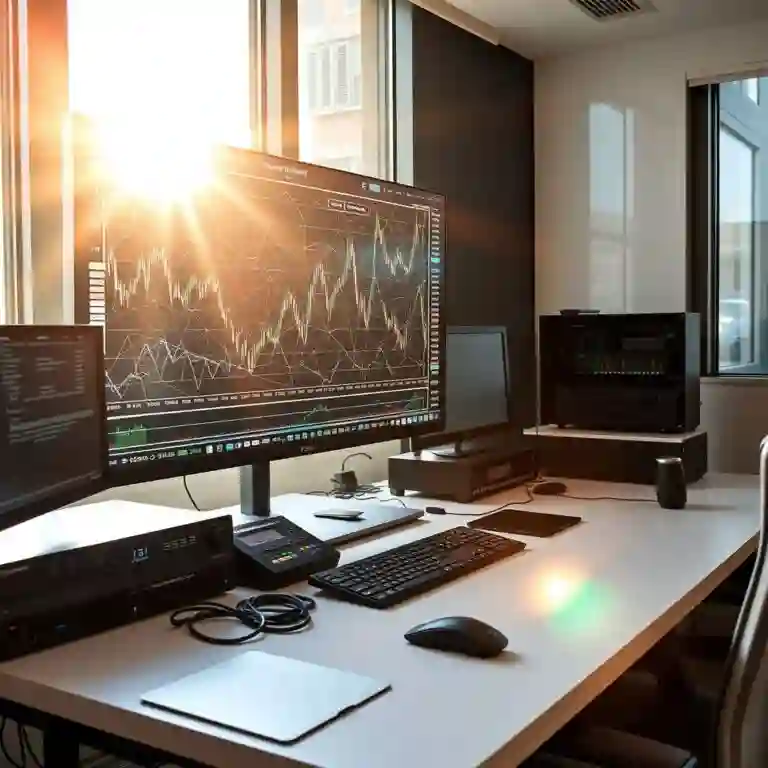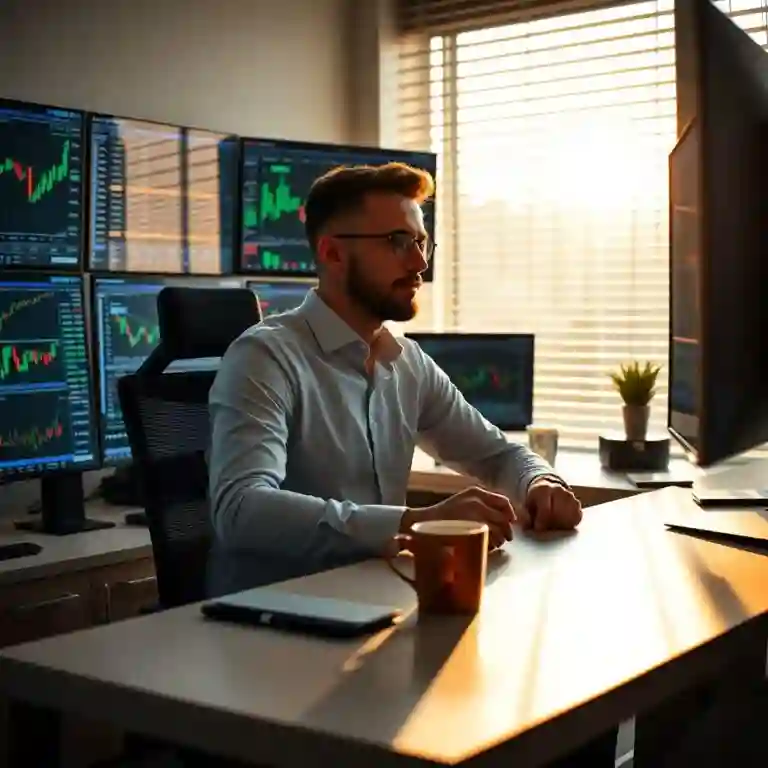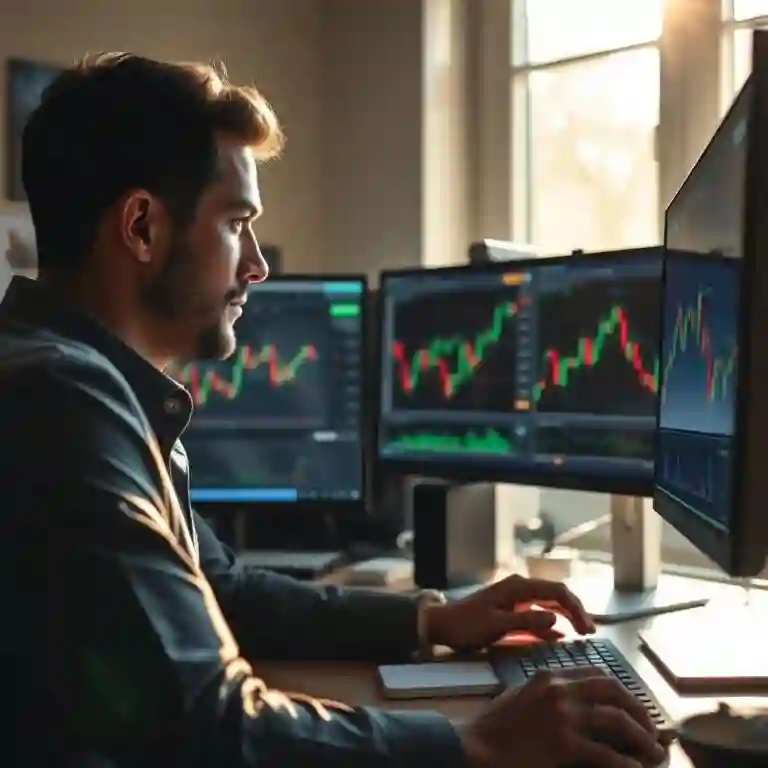



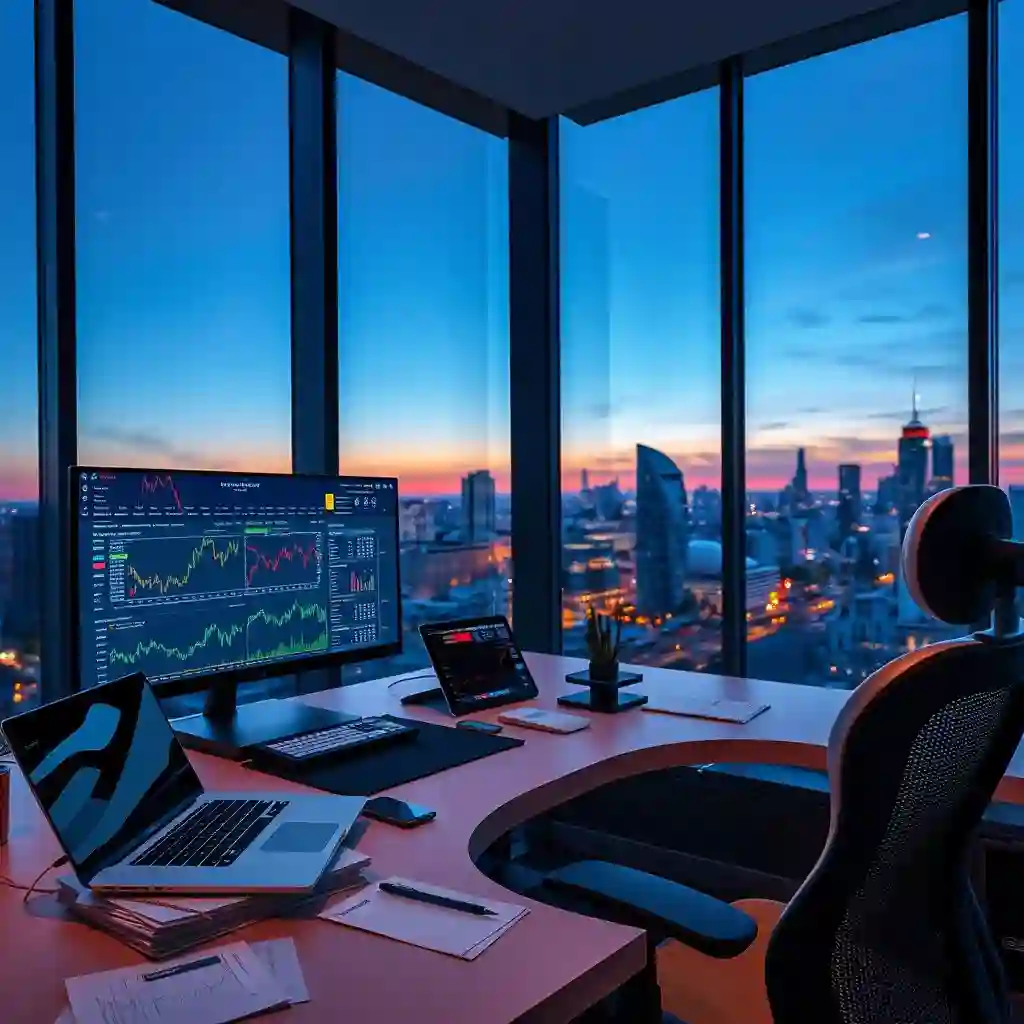
Creating the perfect trading workspace is essential for any serious trader looking to maximize efficiency and minimize distractions. A well-designed trading environment can significantly impact a trader’s ability to analyze market trends, make informed decisions, and manage risk effectively.
Understanding the Basics of Creating the Perfect Trading Workspace
- Understanding the Basics of Creating the Perfect Trading Workspace
- Selecting the Right Hardware for Your Trading Desk
- Setting Up a Comfortable and Ergonomic Work Environment
- Choosing the Best Software Tools for Analysis and Execution
- Implementing Psychological Strategies to Optimize Trading Performance
- Securing Your Trading Environment Against Cyber Threats
- Creating a Customizable Layout for Efficient Workflow Management
- Maintaining and Upgrading Your Trading Workspace Over Time
Understanding the Basics of Creating the Perfect Trading Workspace
The process of creating a perfect trading workspace involves several key considerations. First, you need to ensure that your environment is conducive to focusing on market analysis and decision-making. This includes selecting appropriate hardware, setting up an ergonomic seating arrangement, and choosing software tools that can enhance your analytical capabilities.
Hardware Essentials
One of the most critical aspects of Creating the Perfect Trading Workspace is ensuring you have the right hardware in place. This includes a powerful computer with sufficient RAM and processing power to handle multiple trading platforms and data feeds simultaneously. Additionally, high-quality monitors can significantly enhance your ability to monitor market conditions across different timeframes.
Ergonomic Seating and Lighting
Creating an ergonomic workspace is crucial for long-term productivity. An adjustable chair that supports proper posture and a desk at the right height can help prevent physical strain. Proper lighting, avoiding glare on screens, and ensuring adequate ventilation are also important factors to consider.
Selecting the Right Hardware for Your Trading Desk
When it comes to hardware selection, quality should always be a top priority. A robust computer system is vital as trading often requires running multiple applications simultaneously without lagging or crashing. Consider using a desktop PC with at least 16GB of RAM and a solid-state drive (SSD) for faster boot times and data retrieval.
Monitors
The choice of monitors can greatly affect how you manage your trading activities. Opt for high-resolution screens, such as those with QHD or UHD resolutions, which provide sharper images and more screen real estate to display multiple charts, news feeds, and other data sources.
Peripherals
In addition to a reliable computer and monitors, consider investing in quality peripherals like mechanical keyboards, trackballs, and foot switches. These devices can enhance your interaction with trading software, improving accuracy and efficiency.
Setting Up a Comfortable and Ergonomic Work Environment
A comfortable work environment is essential for sustained concentration and mental clarity over long hours of trading. Ergonomics plays a pivotal role in reducing fatigue and increasing productivity.
Chair and Desk Configuration
Your chair should support your back and allow you to maintain an upright posture while your feet rest flat on the ground. The desk height should be adjusted so that your elbows form a 90-degree angle when typing or using the mouse.
Ambient Lighting
Proper lighting reduces eye strain and glare, which are common issues in trading environments due to multiple screens emitting light. Use a combination of overhead lights and desk lamps to ensure even illumination across your workspace.
Choosing the Best Software Tools for Analysis and Execution
Selecting the right software tools is crucial for successful trading. The ideal setup includes platforms that offer robust charting capabilities, real-time market data feeds, advanced technical analysis indicators, and efficient order execution features.
Trading Platforms
Popular choices include MetaTrader 4 (MT4) and MT5, which are widely used by both retail traders and professional institutions. These platforms offer extensive charting tools, customizable interface layouts, and direct market access (DMA).
Data Providers
A reliable data provider is necessary for obtaining accurate real-time information on stock prices, currency rates, commodities, indices, etc., which are indispensable for making informed trading decisions.
Implementing Psychological Strategies to Optimize Trading Performance
Psychological factors play a significant role in the success of any trader. Stress management techniques such as mindfulness meditation and breathing exercises can help maintain focus during volatile market conditions.
Mindset and Emotional Control
A positive mindset is crucial for overcoming setbacks and staying motivated. Develop resilience by setting realistic goals, maintaining disciplined risk management practices, and avoiding emotional decision-making based on fear or greed.
Securing Your Trading Environment Against Cyber Threats
With the increasing sophistication of cyber attacks targeting financial institutions and individual traders alike, robust cybersecurity measures are indispensable. This includes using strong passwords, enabling two-factor authentication (2FA), updating software regularly, and running antivirus programs.
Data Protection Measures
To safeguard your trading data from unauthorized access, employ encryption technologies to protect sensitive information stored locally or in cloud-based storage services.
Creating a Customizable Layout for Efficient Workflow Management
A well-organized layout ensures that you can quickly switch between different tasks without wasting time reconfiguring your setup. Use software like TradingView, which allows users to create custom watchlists and alerts based on their trading strategies.
Task Automation
Leverage automation tools provided by many trading platforms to streamline repetitive processes such as placing orders or monitoring news updates. This can free up mental bandwidth for higher-level strategic planning and analysis.
Maintaining and Upgrading Your Trading Workspace Over Time
The financial markets are constantly evolving, necessitating regular upgrades to your trading setup in terms of both hardware and software. Stay informed about new developments in technology that could enhance your trading experience.
Regular Reviews and Adjustments
Evaluate the effectiveness of your current workspace periodically. Make necessary adjustments based on changes in personal needs, market conditions, or technological advancements.
In conclusion, Creating the Perfect Trading Workspace is a continuous process that requires careful planning and periodic reassessment. By focusing on the right hardware, ergonomic comfort, optimal software solutions, psychological preparedness, security measures, efficient layout design, and ongoing maintenance, you can create an environment tailored to your specific trading style and objectives.
For those looking for additional resources or to open a new trading account with a reputable broker, consider checking out our Deposit Forex page. It offers valuable insights into the world of forex trading and provides information on how to start your trading journey effectively.
To learn more about financial markets and related topics, visit Investopedia, a leading online resource for investment education.