




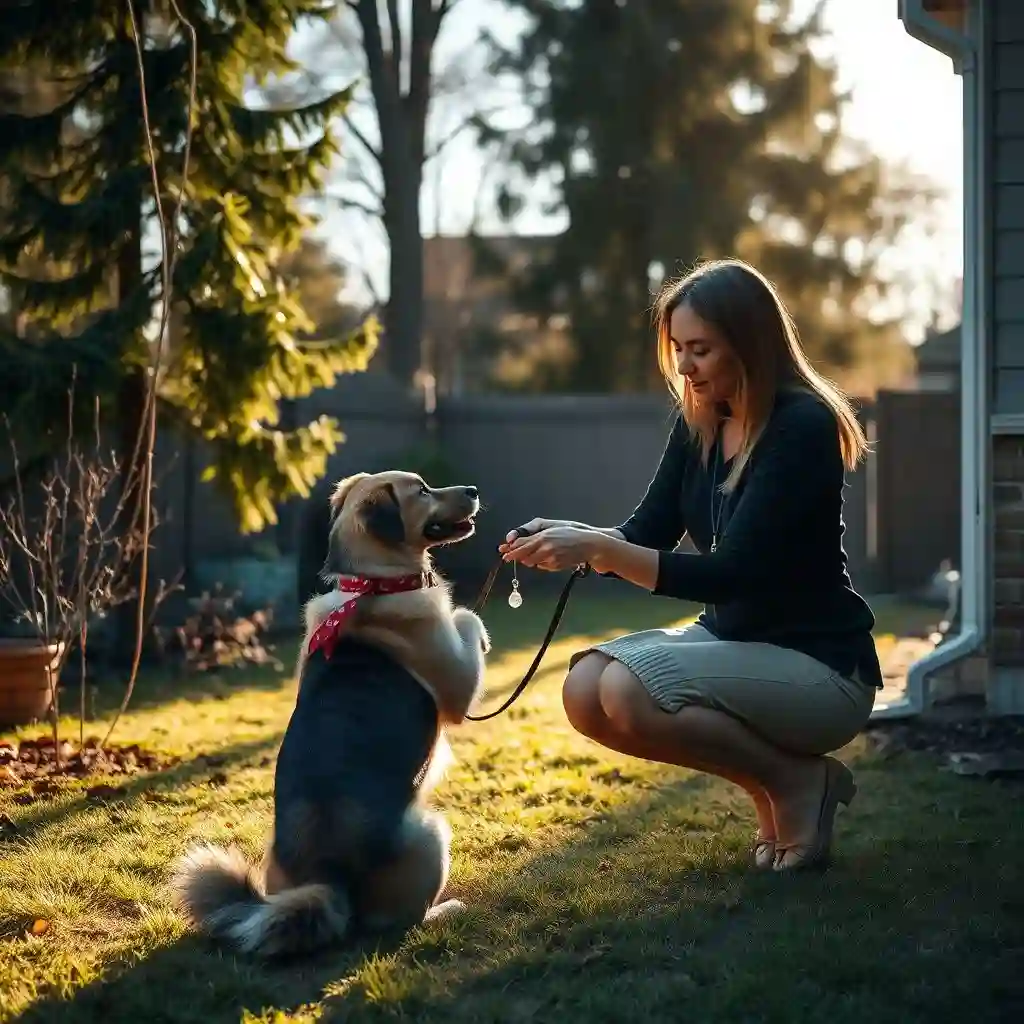
Training your home dog not only enhances their behavior but also strengthens the bond between you and your furry companion. Understanding how to train home dogs care requires a blend of patience, consistency, and positive reinforcement techniques. This guide provides an in-depth look at effective strategies for training your pet, ensuring both you and your dog enjoy a happy, healthy relationship.
Table of Contents
- How to Train Home Dogs Care: An Overview
- Understanding Your Dog’s Behavior
- Basic Training Commands for Puppies and Adult Dogs
- Tips for Positive Reinforcement Training
- Addressing Common Behavioral Issues in Home Dogs
- Advanced Training Techniques and Tricks
- Creating a Safe and Stimulating Environment for Your Dog
- How to Train Home Dogs Care: Expert Advice and Resources
How to Train Home Dogs Care: An Overview
The process of training your home dog involves understanding the unique needs and behaviors of each breed. From basic obedience commands like sit, stay, come, and down to more complex tricks such as rolling over or playing dead, mastering these skills can significantly improve your pet’s quality of life.
Understanding Breed-Specific Needs
Different dog breeds require different training approaches due to their innate behaviors. For instance, herding dogs like Border Collies and German Shepherds are highly intelligent and need constant mental stimulation to avoid destructive behavior. Conversely, hound breeds such as Basset Hounds and Beagles may be more independent and less responsive to traditional training methods.
Setting Clear Objectives
To train your dog effectively, it is crucial to set clear goals from the outset. Whether you aim to curb barking or teach your pet advanced agility skills, having a well-defined plan helps maintain focus during sessions and keeps both trainer and dog motivated.
Understanding Your Dog’s Behavior
Before diving into training techniques, it is essential to comprehend the psychological aspects of canine behavior. Knowing why your dog behaves in certain ways can help you tailor a more effective training program that suits their specific needs.
The Role of Stress and Anxiety
Anxiety can manifest as fearfulness or aggression, often stemming from loud noises, unfamiliar people, or new environments. Identifying triggers early on allows for proactive measures such as counter-conditioning exercises to alleviate stress levels.
Basic Training Commands for Puppies and Adult Dogs
Teaching your dog fundamental commands lays the foundation for future learning endeavors. Consistency is key; using the same command words across all training sessions ensures clarity in communication between human and canine.
Sit, Stay, Come: Essential Obedience Commands
- Sit: Begin by showing your dog a treat while saying “sit.” As they look up towards the treat, move it over their head to encourage them into a seated position. Reward immediately upon success.
- Stay: Start with short intervals and gradually increase duration as your dog becomes more comfortable holding still. Always return and give praise once the command is completed.
- Come: Initially practice in distraction-free environments before moving to busier areas. Use an enthusiastic tone when calling your pet’s name followed by “come,” reinforcing positive behavior with treats or playtime.
Tips for Positive Reinforcement Training
Positive reinforcement is a widely accepted method of training dogs, focusing on rewarding good behaviors rather than punishing bad ones. This approach fosters trust and encourages your dog to willingly participate in learning activities.
Rewarding Good Behavior
- Treats: Use high-value treats that your dog loves but only sparingly so they remain desirable during training sessions.
- Praise and Affection: Verbal praise, petting, or playtime can also serve as effective rewards depending on your dog’s preferences.
Addressing Common Behavioral Issues in Home Dogs
Barking excessively, chewing inappropriate items, or failing to respond when called are typical problems faced by many pet owners. Properly addressing these issues early helps prevent escalation into more serious behavioral challenges later.
Aggressive Behavior and Resource Guarding
- Dog Aggression: Seek professional help if your dog shows signs of aggression towards people or other animals. Gradual desensitization programs under expert supervision are often most effective.
- Resource Guarding: Teach a “leave it” command to prevent biting when you approach them while eating or playing with toys. Start by offering a higher-value treat and gradually move closer until the dog relinquishes control willingly.
Advanced Training Techniques and Tricks
Beyond basic commands, consider introducing more sophisticated exercises such as retrieving an object upon command (“fetch”), walking calmly on a leash without pulling, or performing fun tricks like shake hands. These activities not only entertain but also challenge your dog mentally.
Agility Training for Mental Stimulation
Engaging in agility training can be highly beneficial for breeds that are naturally athletic and energetic. This form of physical activity stimulates both body and mind, preventing boredom-induced destructive behaviors common among active dogs.
Creating a Safe and Stimulating Environment for Your Dog
A well-rounded approach to training involves more than just teaching commands; it includes providing a safe space where your dog feels secure enough to explore new activities. Regular exercise, mental enrichment through toys or puzzles, and socialization opportunities all contribute positively towards overall wellbeing.
Regular Exercise Routines
Daily walks combined with interactive play sessions ensure adequate physical activity which is crucial for maintaining a healthy weight and reducing stress levels in your dog. Tailor activities based on age, breed, and individual needs to avoid injury or exhaustion.
How to Train Home Dogs Care: Expert Advice and Resources
Consulting with professional trainers or veterinarians offers invaluable guidance when dealing with complex training issues. They can provide tailored solutions based on specific circumstances unique to your household setting.
- Local Training Classes: Enroll in obedience classes offered by reputable pet stores or animal shelters for hands-on learning experiences.
- Online Resources: Websites like Deposit Forex offer comprehensive guides on canine care and training alongside financial advice relevant to dog owners investing in their pets’ wellbeing.
- Breed-Specific Information: Consult breed-specific resources available at sites such as the American Kennel Club (AKC) for detailed insights into your particular canine companion’s needs.
In conclusion, training home dogs care demands dedication and commitment from owners. By adopting a holistic approach that encompasses behavioral understanding, positive reinforcement techniques, regular exercise routines, and engaging mental stimulation, you can ensure your dog thrives within the comforts of their own home environment.