




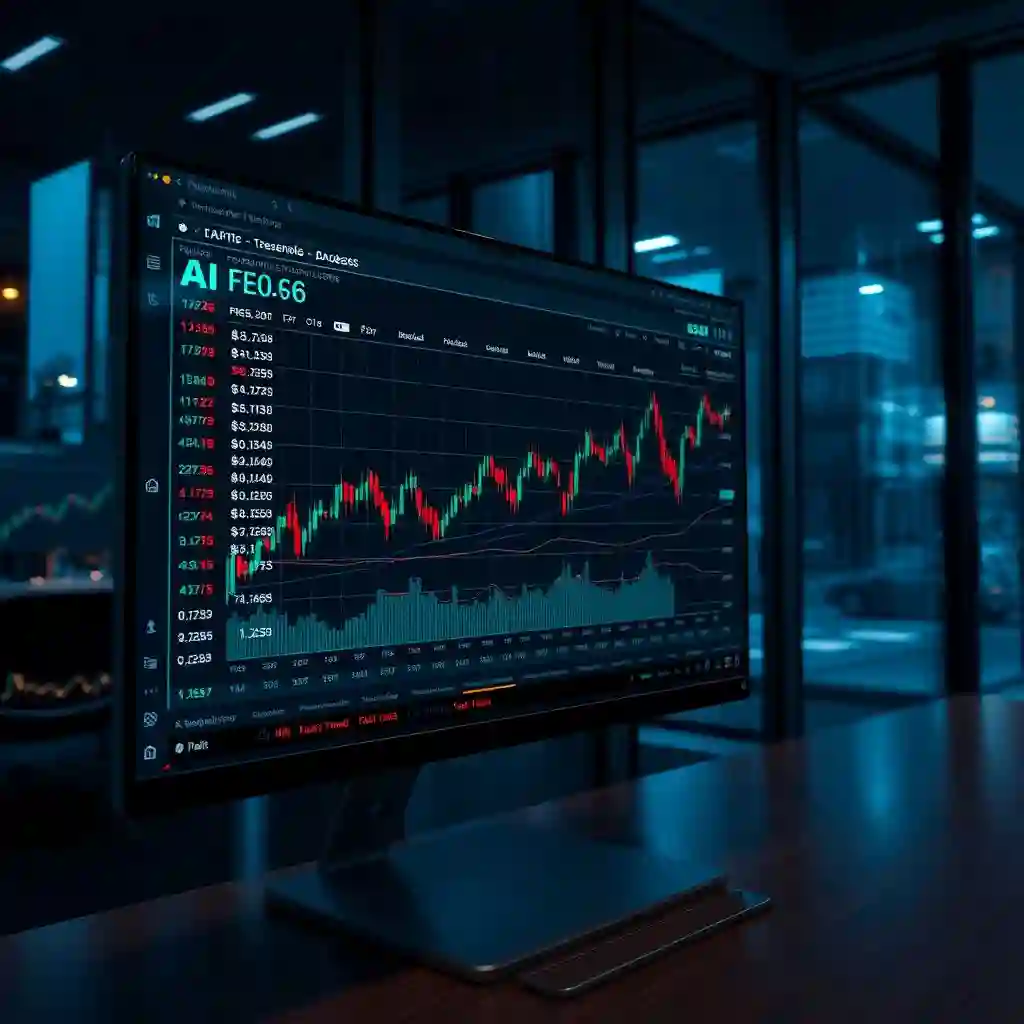
The emergence of artificial intelligence (AI) in various sectors has been both transformative and disruptive, but none more so than in the world of financial trading, particularly foreign exchange or forex. As technology advances, the future of AI in forex trading is increasingly becoming a topic of interest for traders, developers, and investors alike. Understanding The Future of AI in Forex Trading: Opportunities and Risks involves delving into how this sophisticated technology can enhance trading strategies, improve predictive models, and mitigate risks.
- Introduction to AI in Forex Trading
- Key Features of AI in Forex
- Opportunities Presented by AI in Forex Trading
- Challenges and Risks Associated with AI Usage
- Case Studies of Successful AI Implementation in Forex
- Technological Requirements for Implementing AI in Trading
- Regulatory Implications and Compliance Concerns
- Future Trends and Predictions in the Industry
Introduction to AI in Forex Trading
The integration of artificial intelligence into forex trading offers unprecedented opportunities for automation, analysis, and prediction. At its core, AI uses complex algorithms and machine learning techniques to process vast amounts of data, identify patterns, and make informed decisions faster than human traders can. This capability is particularly advantageous in the high-frequency, highly volatile environment of foreign exchange markets.
Why Is AI Important for Forex Traders?
AI enables forex traders to analyze large datasets quickly and accurately, leading to better-informed trading decisions. It also allows for real-time monitoring and adjustment of trading strategies based on market conditions.
The Key Features of AI in Forex
To understand the full potential of AI in forex trading, it is essential to examine its key features:
Machine Learning Algorithms
Machine learning algorithms form the backbone of AI’s predictive capabilities. They allow systems to learn from historical data and predict future trends with high accuracy.
Natural Language Processing (NLP)
By utilizing NLP, AI can analyze news articles, social media posts, and other textual sources for sentiment analysis, providing traders with real-time insights into market sentiment.
The Opportunities Presented by AI in Forex Trading
The Future of AI in Forex Trading: Opportunities and Risks is a topic that highlights the numerous advantages this technology offers to the industry:
Enhanced Decision-Making Capabilities
AI can process vast amounts of data in seconds, offering insights that would take human traders days or weeks to uncover. This leads to faster and more accurate decision-making.
Improved Predictive Models
The predictive power of AI allows for the creation of sophisticated models capable of anticipating market movements with a high degree of accuracy.
The Challenges and Risks Associated with AI Usage
While the potential benefits are significant, there are also substantial risks involved in implementing AI in forex trading:
Data Security Concerns
The use of sensitive data for training machine learning models presents serious security and privacy issues that must be addressed.
Ethical Considerations
Ensuring fairness, transparency, and accountability in AI-driven trading systems is crucial to maintaining trust among users and regulators.
The Case Studies of Successful AI Implementation in Forex
Several firms have already successfully integrated AI into their forex trading operations:
Citadel Securities
Citadel Securities is one such company that has leveraged AI to gain a competitive edge. By utilizing advanced machine learning models, they were able to predict market movements with increased accuracy and speed.
The Technological Requirements for Implementing AI in Trading
Successfully deploying AI in forex trading requires robust infrastructure:
Data Storage Solutions
Adequate data storage is crucial, given the vast amounts of historical and real-time market data required to train machine learning models.
High-Performance Computing Resources
To handle complex computations in real time, high-performance computing resources are essential for running AI algorithms efficiently.
The Regulatory Implications and Compliance Concerns of AI Usage
The adoption of AI raises several regulatory challenges:
Regulatory Frameworks
Current regulations may not be fully equipped to address the unique issues posed by AI-driven trading. A comprehensive framework must evolve to ensure fair practices and protect market integrity.
The Future Trends and Predictions in the Industry
As technology continues to advance, we can expect significant developments:
Growing Adoption Rates
The integration of AI is set to become more widespread as traders recognize its benefits. Expect a surge in the number of firms adopting these technologies.
Pro Tip: Stay informed about new regulations and technological advancements by regularly consulting industry sources such as Deposit Forex.
The Conclusion to The Future of AI in Forex Trading: Opportunities and Risks
In conclusion, the future of AI in forex trading promises significant opportunities for enhancing decision-making processes and improving predictive accuracy. However, it also comes with inherent challenges related to data security and regulatory compliance. As the technology continues to evolve, it will be crucial for traders and regulators alike to navigate these complexities carefully.