




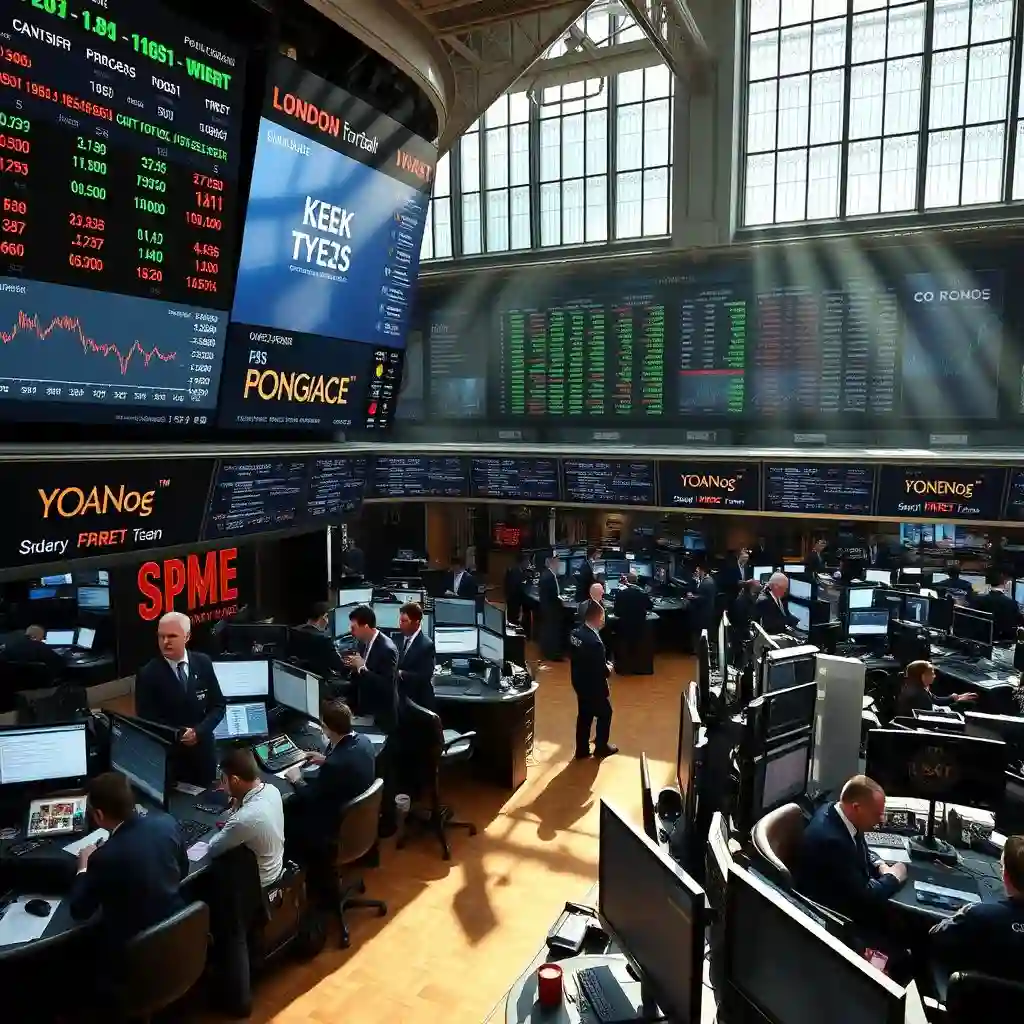
Understanding Forex Market Sessions is crucial for traders looking to navigate the global currency markets effectively. The forex market operates 24 hours a day, five days a week, but it’s not equally active throughout the entire period. Different sessions experience varying levels of trading activity and liquidity, which can significantly impact strategy and risk management.
Table of Contents
- Understanding Forex Market Sessions
- Overview of Major Market Sessions
- Impact of Session Overlaps on Trading Strategies
- Analyzing Currency Pairs During Different Sessions
- Technical Analysis in Forex Sessions
- Economic Data Release Timing and Its Impact on Market Sentiment
- Advanced Trading Techniques for Different Sessions
- Conclusion: Key Takeaways from Understanding Forex Market Sessions
Understanding Forex Market Sessions
The forex market is segmented into three major sessions: the Tokyo session, London session, and New York session. Each session has its unique characteristics, including trading volumes, volatility levels, and liquidity patterns.
- Asia Session (Tokyo): Opens at 10pm EST on Sunday evening, marking the start of a new week in currency trading. This is followed by major events from Japan such as economic data releases that affect JPY movements.
- London Session: Begins when European markets open and lasts until around 2:30 PM EST. It’s characterized by high volatility, wide price spreads, and sharp directional moves due to the influx of traders and institutional investors.
- New York Session: Starts at 8am EST and ends at 4pm EST on weekdays. Trading volume is lower compared to the London session but still maintains significant liquidity for major currency pairs.
Overview of Major Market Sessions
The Tokyo session sets the tone for the week, with low volatility and tight spreads due to limited trading activity. This period often sees minimal news releases affecting market sentiment. As Asia transitions into Europe, traders start paying attention to economic indicators such as GDP reports, inflation rates, and employment figures from key economies.
London Session
The London session is considered the most active in terms of trading volume and liquidity. It overlaps with other sessions, leading to increased volatility and larger price swings. During this period, traders closely monitor central bank announcements, interest rate decisions, and policy statements from institutions like the Bank of England (BoE).
New York Session
Trading volumes drop slightly during the New York session but remain robust due to the high liquidity in major currency pairs. This is also when U.S.-based economic data such as Non-Farm Payrolls (NFP) are released, which can cause substantial market movements.
Impact of Session Overlaps on Trading Strategies
Session overlaps create unique opportunities and challenges for traders. For instance, the intersection between Asia and London sessions often results in heightened volatility due to increased liquidity and diverse trading perspectives.
- London-Tokyo Overlap: This overlap can lead to sharp price movements as European traders react to Asian economic news, increasing market unpredictability.
- New York-London Overlap: The combined activity from both sessions leads to heightened volatility and liquidity, ideal for short-term trading strategies but challenging for long-term investors due to the fast-paced nature of price changes.
Analyzing Currency Pairs During Different Sessions
The behavior of currency pairs varies across different market sessions. For example:
- EUR/USD during London Session: This pair typically shows higher volatility and more pronounced directional trends due to the substantial trading activity in this period.
- JPY Pairs during Tokyo Session: JPY pairs like USD/JPY tend to exhibit lower volatility and tighter spreads, making it easier for traders to manage risk.
Technical Analysis in Forex Sessions
Applying technical analysis tools effectively requires an understanding of session-specific market dynamics. Key indicators such as Moving Averages (MA) and Relative Strength Index (RSI) can provide valuable insights into trend direction and momentum.
- Moving Average Crossovers: During periods of high volatility, MA crossovers can signal significant changes in price trends.
- Support and Resistance Levels: Identifying key support and resistance levels is crucial for setting stop-loss orders and take-profit targets during sessions with varying liquidity.
Economic Data Release Timing and Its Impact on Market Sentiment
The timing of economic data releases significantly influences market sentiment. Traders must anticipate these events to avoid unexpected price movements that can disrupt trading strategies.
- US Non-Farm Payrolls (NFP): Released every first Friday of the month at 8:30 AM EST, this report often leads to substantial volatility in major currency pairs.
- Eurozone CPI: Announced around 12:35 PM EST, it can impact EUR/USD and other European currencies considerably.
Advanced Trading Techniques for Different Sessions
To maximize profits while minimizing risks during different forex market sessions, traders should adopt advanced techniques tailored to session-specific conditions:
- Scalping: Ideal during high volatility periods like the London-New York overlap when small price movements can lead to significant gains.
- Trend Following: Works best in sessions with strong directional trends such as the London and Tokyo overlaps where established trends are likely to continue.
Conclusion: Key Takeaways from Understanding Forex Market Sessions
Understanding forex market sessions is essential for traders aiming to optimize their trading strategies. Each session offers unique opportunities and challenges that require specific approaches in technical analysis, risk management, and timing of economic data releases. By closely monitoring these factors, traders can enhance profitability and adapt more effectively to the dynamic nature of currency markets.
For further resources on financial instruments and market insights, visit Deposit Forex.
To delve deeper into forex trading concepts, refer to authoritative sources like Investopedia.